
top of page
  • Youtube
  • Google
  • Whatsapp
  • Airbnb
  • Instagram
Asana Tribe Yoga Spain Lotus Flower

ASANA TRIBE YOGA BLOG

Learn more about yoga, wellness, and healing

  • Writer: Lisa Zeffertt
    Lisa Zeffertt
  • Nov 9
  • 2 min read
ree

The Path Within

A poem


Beneath the whispering pines,

The morning sun breathes gold upon the trail.

We walk in silence, hearts open,

Each step a prayer, each breath a tale.


The mountain hums with quiet knowing,

Stone and sky in gentle trance.

Each step meet the earth’s soft rhythm,

A moving meditation, a sacred dance.


The coast below awakens,

A shimmer of sea, a sigh of breeze.

We pause — the world expands within us,

And suddenly, all striving leaves.


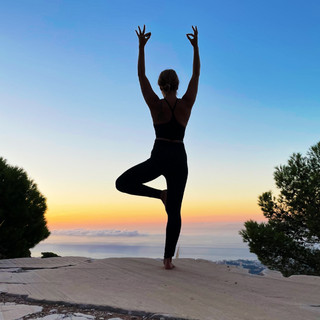
Here, yoga unfolds beneath the skies,

No walls, no mirrors, only limitless space.

Our mats become the earth itself,

Our teachers — sunlight, sound, and breath.


Hands rise to greet the endless sky,

Roots sink deep through rock and soil.

Inhale peace, exhale surrender,

Let go of worry, time, and toil.


The trail to the mountains,

The forest reveals its silent song.

A melody of breath and being —

Reminding us we all belong.


We rest in stillness, bodies grounded,

The scent of pine needles and sea-salt air.

Eyes closed, we connect with the heartbeat of the earth,

And know her wisdom is always there.


When we descend, the world feels lighter,

Our steps more fluid, minds serene.

The mountain has whispered its medicine —

A truth so simple, pure, and clean.


That joy lives here — in every heartbeat,

In every view, in morning’s hue.

And all we seek through yoga’s journey,

Is already waiting, here — in you.


Join a Mijas Yoga Hike

At Asana Tribe Yoga Spain, our Mijas Yoga Hikes combine the best of hiking, yoga, and mindfulness in the stunning mountains surrounding Mijas Pueblo.


These guided hikes invite you to move with nature’s rhythm, breathe deeply, and rediscover the connection between body, mind, and earth. Whether you’re visiting the Costa del Sol or live nearby in Fuengirola, each yoga hike offers an unforgettable way to reconnect with your inner calm while exploring Spain’s natural beauty.


We welcome all levels — from beginners to experienced yogis — and provide everything you need for a morning of gentle movement, stillness, and soul nourishment.


Final Reflection

A yoga hike isn’t just a walk — it’s a pilgrimage back to yourself.In the hush of the Mijas mountains, you remember what peace feels like.And as the wind carries your breath to the sea below,You realise — the true path was always within.


  • Writer: Lisa Zeffertt
    Lisa Zeffertt
  • May 15
  • 4 min read

How a Gratitude Practice Can Shift Your Mindset


ree

In a world that often feels busy and overwhelming, it’s easy to get caught up in what’s not going well. We can focus on the things we don’t have, the challenges we face, or the “next big thing” that’s always just out of reach. But what if, instead of dwelling on the negatives, we could shift our focus to what’s already good in our lives?


That’s where gratitude comes in. Practicing gratitude is a simple yet powerful tool that can completely shift your mindset and transform your life in ways you might not expect. Here’s how a gratitude practice can make a world of difference for your emotional and mental well-being.


What is a Gratitude Practice?


At its core, a gratitude practice is simply taking time to focus on the positive things in your life. It could be anything, from small moments of joy (like your morning coffee) to larger things (like your family or your health). By regularly acknowledging what you're grateful for, you create a habit of focusing on the good, rather than the negative.


The Benefits of Gratitude: A Mindset Shift


Practicing gratitude isn’t just about feeling good in the moment (although that’s a wonderful benefit!). It’s also scientifically proven to have lasting positive effects on your overall well-being. Here are some ways that cultivating gratitude can help shift your mindset:


  1. Boosts Happiness and OptimismWhen you take time to appreciate what’s going well in your life, your brain begins to focus on positivity. Gratitude helps you see the glass as half full instead of half empty. Over time, this boosts your overall happiness and sense of contentment.

  2. Reduces Stress and AnxietyGratitude is a natural antidote to stress and anxiety. When you're focused on what you're grateful for, you're less likely to be consumed by negative thoughts and worries. This shift helps calm the nervous system and brings a sense of peace.

  3. Improves RelationshipsGratitude has the power to strengthen relationships, whether with friends, family, or even coworkers. Expressing appreciation for others makes them feel valued, which in turn strengthens the bond you share. It’s a simple way to foster connection and understanding.

  4. Enhances Self-WorthTaking a moment to acknowledge your own strengths, progress, and blessings reminds you of your inherent worth. It helps you celebrate who you are and the journey you’ve been on. Gratitude encourages a deep sense of self-love and acceptance.

  5. Promotes Better SleepGratitude is linked to better sleep, as it helps reduce negative thoughts that can keep you awake at night. A calming gratitude practice before bed can ease your mind and prepare you for a restful night of sleep.


How to Start a Gratitude Practice


Starting a gratitude practice doesn’t have to be complicated, and you can begin at any time. Here are a few simple ideas to get you started:


  • Keep a Gratitude JournalTake a few minutes each day to write down three things you're grateful for. These can be big or small—there’s no right or wrong answer. This simple practice helps shift your focus and puts things into perspective.

  • Make Gratitude a Part of Your Yoga or Meditation PracticeAs you settle into your yoga practice, close your eyes and take a few deep breaths. Think about the things you're grateful for in that moment, whether it's your breath, your body’s strength, or the opportunity to be present. Use gratitude as an anchor in your practice.

  • Share Your Gratitude with OthersExpressing your gratitude out loud can be incredibly powerful. Take a moment to tell someone you appreciate them or simply let them know how much they mean to you. Not only will they feel great, but it also reinforces your own sense of gratitude.

  • Practice Gratitude During Challenging TimesEven when life is tough, it’s possible to find something to be grateful for. It might be something small, like a supportive friend or a beautiful sunset. Shifting your focus toward gratitude, even in difficult moments, can help you reframe challenges and find peace.


Making Gratitude a Daily Habit


Like any practice, gratitude requires consistency. The more you practice, the easier it becomes to naturally see the good in your life. Over time, this mindset shift can create profound changes, enhancing your overall quality of life and well-being.

Remember, gratitude doesn’t mean ignoring difficulties or pretending that life is always perfect. It simply means acknowledging the positive aspects of your life, even in the midst of challenges. It’s about training your mind to recognize and appreciate the beauty that already exists around you.


Final Thoughts


At Asana Tribe Yoga Spain, we believe in the power of self-care and mindfulness to help create a healthier, more peaceful life. A gratitude practice is a beautiful way to start or end your day with intention and positivity. It helps to create space for healing and joy, allowing you to appreciate the present moment and all that you have.


If you’re looking to explore mindfulness further, join us for a yoga or meditation class, where we incorporate mindfulness and gratitude into our practice. Let’s embrace the good, together.


  • Writer: Lisa Zeffertt
    Lisa Zeffertt
  • Apr 24, 2023
  • 6 min read

Updated: Mar 29, 2024


ree

I remember the frustration of being injured, having torn my rotator cuff and having suffered chronic tendinitis for years to the point where I could not even lift my arm to get dressed or brush my hair. Multiple trips to the physiotherapists, traumatologists led to more frustration, with doctors telling me that I should rest and that the only exercise I could do was walking. For a person who had been active all throughout her life, this was a nightmare.


I remember the feeling of frustration. with the body I inhabited, loathing how I had become trapped in this situation where I saw no escape and didn't know whether I would ever be able to have a life without this constant dull, aching pain.


Determined to build strength despite my condition, I learned to do yoga and exercises at home. Focusing on abdominals and legs and any exercises that did not rely on my shoulders or arms. Exercise and yoga classes in studios were no longer an option, as trainers were unwilling or unable to adapt their classes to my injury. But I persisted through very slow progress with resistance bands and light weights to build strength slowly in my shoulder and arms, adapting the exercises so that I would not load the wrists or arms.


If you are struggling through injury recovery, yoga can be a powerful tool to help you throughout this process. Perhaps, you cannot join a group class, but private one-to-one sessions with an experienced professional can help you gain the confidence and overcome the fear of working through an injury. Here, we will look at how a yoga practice can guide you through one of the most frustrating and difficult periods of your life: injury.


Acceptance and self love


One of the important things that I learnt through yoga was acceptance, acceptance of my body and where I was at in my practice. Having never been an overly flexible person, I was always the student in class who felt like I was never good enough, until I learned that yoga is an individual practice and to leave everything outside the mat, forgoing competition and comparison. Yoga is not about the ego and comparing yourself with others, but working with your own body and your own limitations. Perhaps today you don't feel as strong as yesterday, or you feel more flexible, yoga is meeting your body where it is at and treating your body with respect and love. How does this pose feel in my body today? How do I feel after the practice? These are points to focus on when working through an injury.


This too shall pass


Life is a state of impermanence. We go through periods of sickness and become well, we go through periods of sadness and then feel happy, everything is a constantly evolving, temporary state. Through yoga and acceptance, you can also rest assured that what you are experiencing now shall pass. Frustration at not being able to do a pose is transformed into ease when you master the pose. Everything that was difficult once can also become accessible. Instead of berating yourself and focusing on your injury, you can find wonder in the body's power to heal from illness and injury. Think of all the times when you've felt ill and how you never thought you would get better, or perhaps a time when you sprained a wrist or ankle, or broke a bone, and your body healed from that, even though it may have taken a little bit of time.

Of course, there are illnesses that are chronic, and we do not recover from, but we can be compassionate with our body and have the confidence that there are bad days and good days, and we can always work with wherever we are at the present moment.


One of my favourite poems that helped me throughout my recovery journey was written by Nikita Gill:


"Please be gentle with your body.

It loves you more than anyone or anything in this world.

It fixes every cut, every wound, every broken bone, and fights off so many illnesses, sometimes without you even knowing about it.

Even when you punish it, it is still there for you, struggling to keep you alive, to keep you breathing.

Your body is an ocean full of love.

So, please be kind to it.

It's doing the very best it can."


Modify, modify, modify


The secret to an exercise or yoga routine while you are recovering is to modify, modify, modify. Wrist pain in a plank, you can make fists and load the weight on your knuckles, come down onto your knees to reduce the weight on your arms, come to a forearm plank or throw out any of these wrist bearing poses altogether and come to dolphin pose. If you're at the beginning of your strength building journey of recovery, the wall is a fantastic tool to help reduce the amount of weight you are loading into your arms and wrists. This is a mere example of one common injury: wrists. There are countless adaptations and modifications for knee, shoulder injuries.


Yoga is an accessible practice with endless ways to adapt it for accessibility. It is not only for the flexible, you may be surprised, but adaptive yoga can be done by everyone, even if you are differently abled. A fantastic book by Dianne Bondy called Yoga for Everyone is an inclusive and inspiring book that truly conveys the true message of yoga, that it is a practice that anyone can benefit from and anyone can do.


Remember, our best friends in yoga are blocks, straps, knee pads and any other props that will help make your practice more easeful, as well as giving yourself the permission to rest and opt out of any part of your practice.


Breathe in, breathe out


The breath is a powerful tool that is harnessed in yoga through the practice of Pranayama. The breath is the only bodily function we can truly control, we can slow the breath, reduce our heart rate and calm the mind, stimulating the parasympathetic system to rest and recover. Focusing on your breath during meditation and yoga is a powerful method to work through any physical pain in your body. You can imagine with your exhalation sending this feeling of release to any areas of pain and tightness, releasing the breath with an open mouth and visualise letting go of the pain. The breath will be your ally in finding depth in postures, but it is also a signal from your body for when you need to pull out from a pose, because it is becoming ragged or uneven. The breath will be your indicator into how deep into a pose you should go today, and is a way to bring your focus away from pain or discomfort and into a rhythm of inhalation and exhalation.


Body awareness is an essential practice to cultivate as it can educate you of the difference between pain and discomfort, something that we have lost touch with in our everyday lives. If you experience sharp pain that stops whenever you pull out of the pose, it is a sign that you are not pushing your limits, but causing possible damage. With chronic pain, it is recommended to be aware of where the line crosses from discomfort to sharp and unpleasant pain, which is a sensation that has no place in a yoga practice.


When we understand that we need to meet our body where it is at, wherever that may be now, we will be able to grow and begin to recover from injury, with the loving acceptance, kindness, and compassion our bodies truly deserve.


Have you experienced an injury and healed through yoga? What has been your experience? If you would like to reach out to me and find out more about healing the body through yoga, feel free to reach me at asanatribeyogaspain@gmail.com


Disclaimer: I am not a medical professional, and this article is based on my personal experiences of recovery through yoga, it is always important to consult a medical professional before beginning your yoga journey. Yoga is not a complete cure for any injury or illness and should always be accompanied by the advice of a medical professional if you are suffering from a chronic or acute injury or illness.


bottom of page